
In what ways can we bring together feminist thinking and practices to address the global challenges posed by war, global supply chains, borderisation, climate change and the resurgence of patriarchy? What kind of situated alliances do we need to achieve this? We see internationalism as a pragmatic approach to answering these questions. It deepens our feminist interpretation of the current landscape from a local and translocal standpoint. It produces dynamic analyses, shares analytical frameworks, stimulates conversations and promotes the exchange of knowledge and practices from the grassroots up. This creates a virtuous cycle that strengthens the networks of cooperation between feminist individuals and collectives who have a global outlook combined with a deeply rooted connection to their local areas.

“Ecuador is a testing ground for what other countries might do in the future.” Interview with Andrea Aguirre Salas
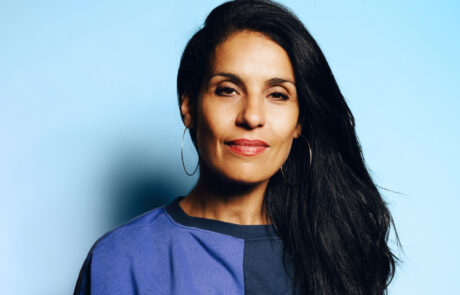
La Laboratoria2026-11-09T23:24:20+01:00'Let's talk about Ecuador' has been the common refrain amongst us over the last few days. We know that for some years now, the country has been experiencing a profound social crisis that has descended into a state of war. The latest episode was the national strike called at the end of September 2025 and the brutal repression it was met with. Driven by the need to better understand the news reaching us from the other side of the ocean, we spoke with our comrade Andrea Aguirre Salas from the Mujeres de Frente (Women on the Front Line) collective. In her lucid analysis, she describes the reality of the creation of a ‘proletariat of violence’ as a strategy employed by the national oligarchic elites committed to mining extractivism, drug trafficking, and other transnational forms of legal and illegal capital accumulation.