

If patriarchy is a system of ownership and hierarchy, then childhood is one of its most coveted territories. In the face of the current patriarchal resurgence, which appropriates the word ‘family’ and presents itself as the protector of children while upholding the very order that harms them, it is crucial for feminists to contest this domain and not surrender motherhood to the enemy. We are concerned with motherhoods in plural, not as a destiny or moral pedestal, but as a collective force in conflict with power. Examples include the Mothers of the Plaza de Mayo, the ‘searching mothers’ – women activists searching for their missing loved ones, mothers on the periphery struggling with precarity, mothers facing institutional racism and the ‘protective mothers’ – women struggling to save and shield their children from paternal sexual abuse. These experiences transform care into an act of resistance, politicise the defence of life and compel us to consider which children get protected and which ones are left to fend for themselves. They also prompt us to reflect on what forms of justice, listening, and redress that we need to build.
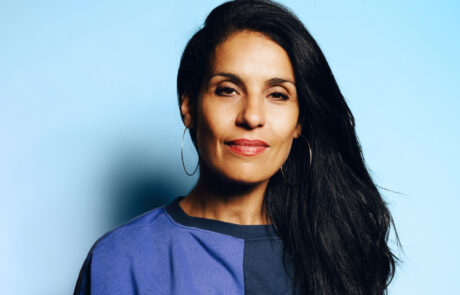
Fatima Ouassak on the power of mothers
La Laboratoria2026-11-09T23:22:01+01:00Fatima Ouassak, by Marie Rouge by Marta Malo and Verónica Gago. Translated by Anouk Devillé First published in Ojalá The family is a concept that the far right has attempted to monopolize, and the idea of the “mother” is a central part of that dispute. We’re witnessing a coordinated offensive against politicized, feminist, and anti-racist maternities with deep social roots, among which the Mothers of the Plaza de Mayo in [...]